


A lush, healthy lawn is the pride of any home or landscape. Whether you’re designing a new green space or maintaining an existing one, understanding the different types of lawn grass — and how to care for them — is essential. Each grass variety has its own strengths, seasonal preferences, and maintenance needs. Let’s explore the most common types of lawn grasses and the best techniques to keep them thriving all year round.
🌱 1. Cool-Season Grasses
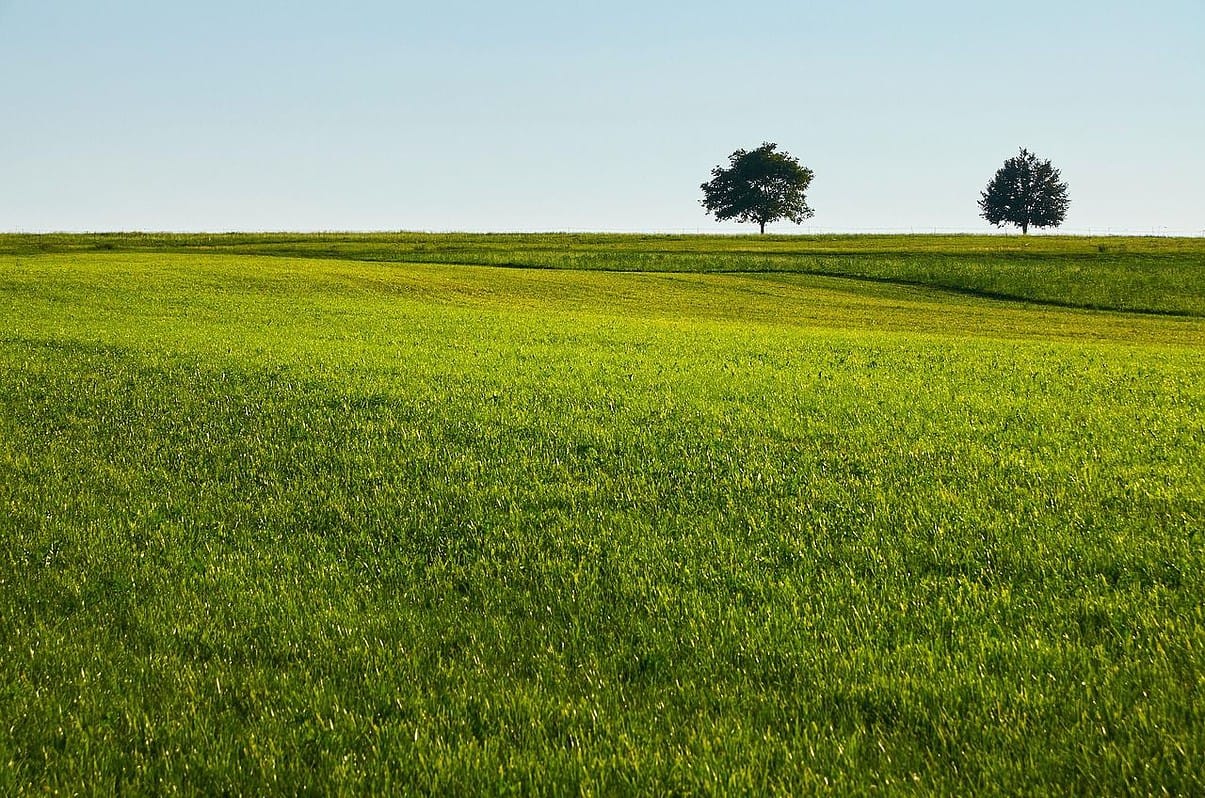
Cool-season grasses grow best in areas with cold winters and mild summers. They stay green through the spring and fall but may go dormant in extreme heat.
Popular Types
- Kentucky Bluegrass: Known for its rich color and soft texture. It requires full sunlight and moderate watering.
- Perennial Ryegrass: Germinates quickly and is ideal for patch repair. It thrives in cooler climates and high-traffic areas.
- Fescue (Tall, Fine, or Red): Extremely adaptable, tolerates shade, and requires less mowing. Excellent for low-maintenance lawns.
Maintenance Tips
- Mow between 2.5–3.5 inches for optimal thickness.
- Water deeply once or twice a week.
- Fertilize in early spring and late fall with nitrogen-rich feed.
- Aerate the soil annually to prevent compaction.
☀️ 2. Warm-Season Grasses
Warm-season grasses prefer hot climates and grow vigorously during late spring and summer. They typically go dormant and turn brown in cold months.
Popular Types
- Bermudagrass: Excellent drought tolerance, ideal for sunny areas. Needs regular mowing for a fine, even texture.
- Zoysiagrass: Dense and slow-growing; resists weeds and heavy foot traffic.
- St. Augustinegrass: Thrives in coastal areas and shade. Requires frequent watering but offers a thick, carpet-like look.
- Centipedegrass: Low-maintenance and slow-growing, perfect for homeowners seeking a natural, simple lawn.
Maintenance Tips
- Mow between 1–2 inches during active growth.
- Apply fertilizer in late spring or early summer.
- Limit watering to promote deep root growth.
- Use dethatching tools yearly to remove thatch buildup.
🌤 3. Transitional Zone Grasses
If you live in an area with hot summers and cold winters — known as the “transition zone” — you’ll need a grass that tolerates both extremes.
Recommended Types
- Tall Fescue: Heat-tolerant, drought-resistant, and performs well in most soil types.
- Zoysia and Bermuda Hybrids: Offer balance between durability and cold tolerance.
- Buffalograss: Native, eco-friendly option requiring minimal water and fertilizer.
Maintenance Tips
- Keep the mowing height at 2–3 inches.
- Overseed in fall to repair thin areas.
- Apply slow-release fertilizer twice a year.
- Use organic compost to enrich the soil.
🧤 Essential Lawn Maintenance Techniques
Regardless of the grass type, consistent care is the key to long-lasting beauty. Follow these universal maintenance steps for the perfect lawn:
1. Mowing
- Never cut more than one-third of the grass height at once.
- Keep mower blades sharp to prevent tearing.
2. Watering
- Early morning watering prevents evaporation.
- Deep watering (1 inch per week) encourages strong roots.
3. Fertilizing
- Choose organic or slow-release fertilizers to promote sustainable growth.
- Avoid over-fertilization — it can burn the lawn and pollute groundwater.
4. Weed and Pest Control
- Use natural herbicides or vinegar solutions to control weeds.
- Introduce beneficial insects like ladybugs to reduce harmful pests.
5. Aeration and Dethatching
- Aerate compacted soil once a year to improve oxygen and nutrient absorption.
- Remove thatch buildup (dead grass layer) to allow better root development.
🌎 Eco-Friendly Lawn Practices
At EcoBird, we believe in sustainable lawn care that benefits both you and the environment.
- Collect rainwater for irrigation.
- Use compost instead of chemical fertilizers.
- Mow with electric or manual reel mowers to reduce emissions.
- Plant native grasses that require less water and maintenance.
🌼 Final Thoughts
Choosing the right grass type and maintaining it properly will reward you with a vibrant, eco-friendly lawn year-round. Whether it’s the fine blades of Kentucky Bluegrass or the hardy nature of Bermuda, each variety can thrive with the right balance of sunlight, water, and care. Remember — a healthy lawn doesn’t just beautify your home; it supports biodiversity and keeps the environment cleaner.


